

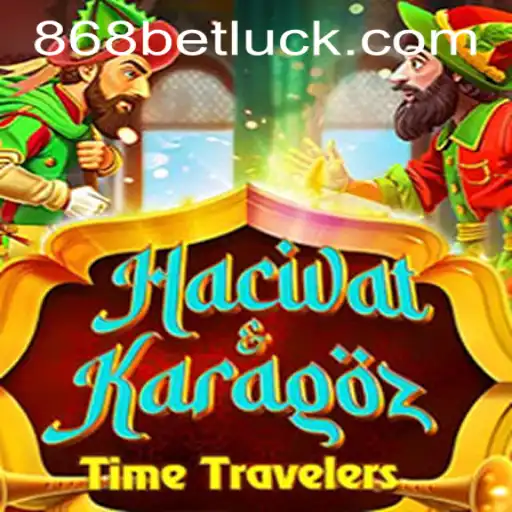
Explore the captivating world of Hacivat and Karagoz, a traditional Turkish shadow play, and learn about its unique gameplay and enduring cultural significance.
Hacivat and Karagoz: A Timeless Traditional Game
In the rich tapestry of global cultural heritage lies the enchanting world of shadow puppetry, with Hacivat and Karagoz serving as one of its most illustrious manifestations. Originating from Turkey, this captivating form of entertainment traces its roots back to the Ottoman Empire, presenting a unique blend of humor, satire, and storytelling that captivates audiences to this day. As we explore the intricacies of this traditional art form, we unravel the nuanced interplay between characters, the rules governing their interactions, and the continuity of this entertainment medium in contemporary times.
The Genesis of Hacivat and Karagoz
The origins of Hacivat and Karagoz are intertwined with the cultural exchanges that characterized the Ottoman period, drawing from a fusion of Anatolian, Middle Eastern, and even Asian artistic influences. These shadow puppetry performances embody more than mere entertainment; they represent a poignant reflection of societal norms, political satire, and a subtle critique of contemporary issues. The traditional narrative revolves around the comical interactions between two contrasting characters: Karagoz, the straightforward and unpolished individual, often symbolizing the common man, and Hacivat, the educated and witty counterpart who frequently epitomizes the learned class.
The Art of Shadow Puppetry
The essence of Hacivat and Karagoz lies in its unique method of storytelling, utilizing articulated puppets held between a source of light and a screen, casting vibrant shadows that bring tales to life. The puppeteer, known as the 'karagozcu,' must possess a combination of vocal prowess, dexterity, and a deep understanding of comedic timing to effectively convey the story. Each performance is characterized by its spontaneous nature, as the puppeteer improvises dialogue while adhering to the thematic structure of traditional tales.
Rules and Structure
Despite the apparent spontaneity, Hacivat and Karagoz adhere to a distinct structural blueprint. The performance usually begins with a prologue, where Hacivat delivers an introductory song or poem, setting the stage for the ensuing narrative. This is followed by a series of comedic exchanges and sketches, driven by verbal wordplay and physical antics. The primary focus is the interaction between Hacivat and Karagoz, but the narrative often expands to include a wide array of ancillary characters, each adding depth and humor to the overarching storyline. The performance concludes with a resolution or a comedic twist, leaving the audience with both entertainment and a subtly imparted message.
Contemporary Resonance and Modern Adaptations
As the world continues to evolve, so too has the practice of Hacivat and Karagoz, adapting to modern sensibilities while retaining its core cultural essence. Today, the tradition is not only preserved as an iconic cultural practice but has also been infused with contemporary themes, allowing it to resonate with new generations. Educational institutions and cultural festivals frequently feature adaptations of Hacivat and Karagoz, fostering a deeper understanding and appreciation among younger audiences.
Global Recognition and Cultural Impact
Beyond Turkey, Hacivat and Karagoz have gained recognition as significant contributions to the global cultural landscape. As an emblem of Turkish folk tradition, these shadow plays have been celebrated in international festivals and exhibitions, symbolizing the timeless nature of oral and theatrical traditions. Furthermore, in 2009, UNESCO recognized the significance of Karagoz by inscribing it on the list of Intangible Cultural Heritage of Humanity, underscoring its global cultural impact.
Interweaving Tradition with Modern Entertainment
The intriguing parallels between traditional games like Hacivat and Karagoz and modern entertainment forms underscore the perennial appeal of storytelling. In a digital era dominated by video games and online platforms like 868bet PH Login, the narratives and interpersonal dynamics within Hacivat and Karagoz offer a refreshing counterpoint rooted in cultural heritage. While contemporary games harness technology to create immersive experiences, the simplicity and ingenuity of shadow puppetry evoke an equally compelling form of engagement through creativity and imagination.
In embracing both tradition and modernity, Hacivat and Karagoz serve as a testament to the enduring power of storytelling and the universal language of humor and satire, bridging times and transcending cultural boundaries to remain a cherished art form in both its homeland and beyond.




0 Comments